Oct 20, 2026
My Journey with Mwangaza: What I've Learned and Why I've Stayed Involved
By Debbie Kogelman
I was born and raised in Lansing, Michigan. My parents had us active in our Lutheran church, and we were always doing some type of social outreach through our youth group. I guess that carried over into adulthood. I became a middle school earth science and history teacher. Once I married John, we moved around a lot as he built his career, and I taught in five states. We finally settled in Illinois, where we stayed for 25 years.
Learning about Mwangaza
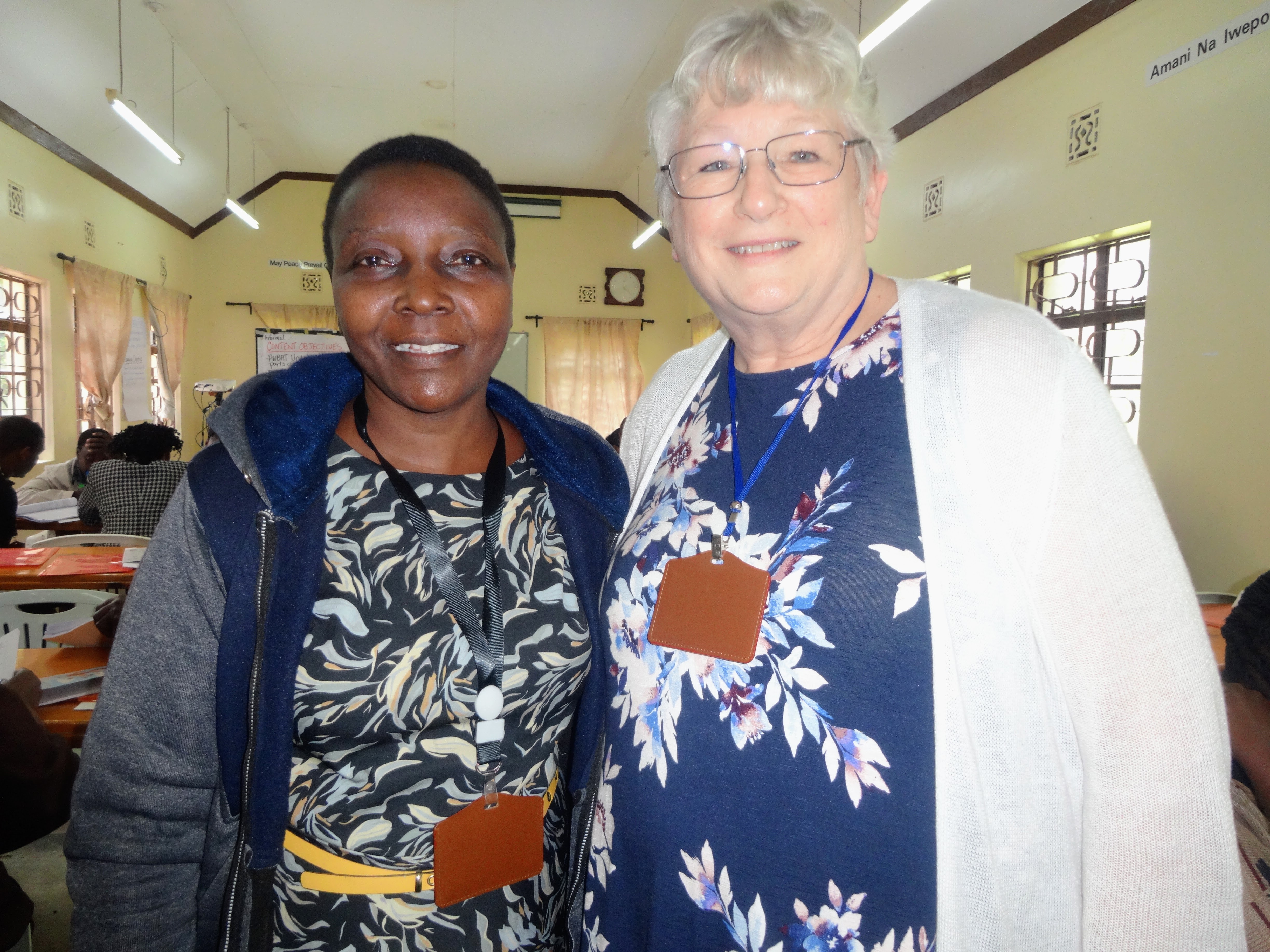
I was first introduced to Mwangaza Education for Partnership (Mwangaza) around 2006 through St. John Lutheran Church in Joliet, Illinois. I found out that several people in our congregation had helped form Mwangaza, especially Jim Talarico.
Mwangaza started as a teacher exchange program. It then transitioned to a teacher seminar format that taught Sheltered Instruction Methodology, or English as a second language. Mwangaza now focuses on building safe schools, which involves engaging everyone from school administrators to staff, teachers, students, and parents. As we all know, if someone is always living in fear, they are not going to learn much in school.
I went to Tanzania for the first time in 2015. As an educator, it was inspiring to witness the dedication of Mwangaza staff to the program they were developing. I was asked to join the Friends of Mwangaza board in 2020. Friends of Mwangaza was the U.S.-based fundraising arm of Mwangaza. I served until we merged with LPGM in 2026. During most of my time on the Friends of Mwangaza board, I served as the board secretary.
Over the years, I have watched the Mwangaza program evolve as world conditions and needs changed. This is because Mwangaza's management team paid attention to the needs of the schools they were working with. That is not an easy thing to do, but after 30 years they are still evolving and moving in the right direction.
What I've Learned
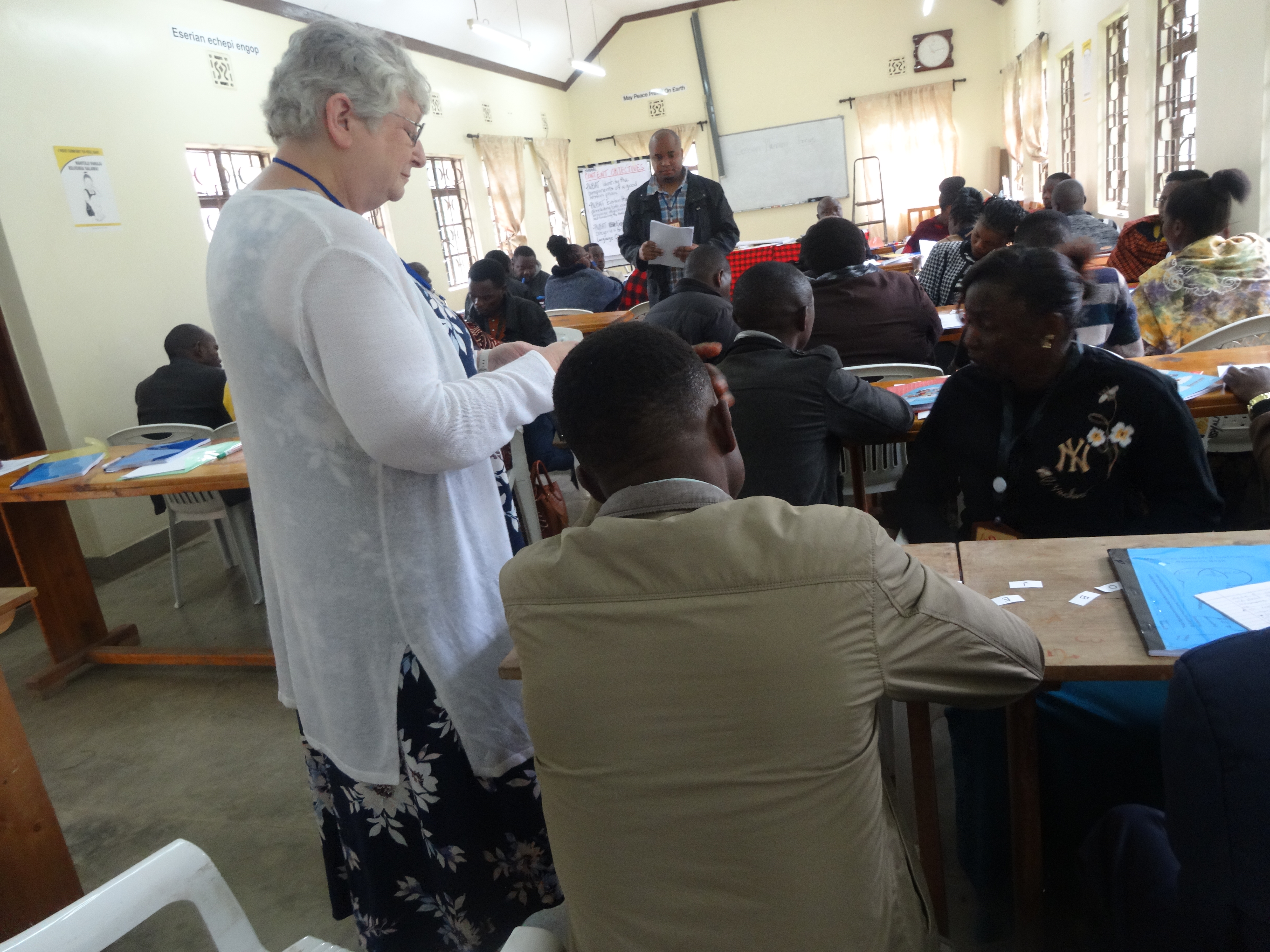
Throughout my journey with Mwangaza, I have learned humility. When I visited Mwangaza for the first time, I thought I was going to help. I believe I did help, but the people I met gave me so much more in return. The Tanzanian teachers' deep appreciation and love of learning was awe-inspiring.
I took what I learned back to my classroom, and my students learned a bit about what it was like to be a student in Tanzania. We created booklets on several topics that we sent electronically to Mwangaza to print and distribute to classrooms.
Mwangaza's philosophy of Tanzanians helping other Tanzanians means that we play a supporting role. It was important for me to acknowledge Tanzanian culture and their way of doing things when we were asked how to improve the education of their students.
Supporting Mwangaza
My husband John and I started raising funds to ship teacher textbooks to Mwangaza to build a library for teachers to use.
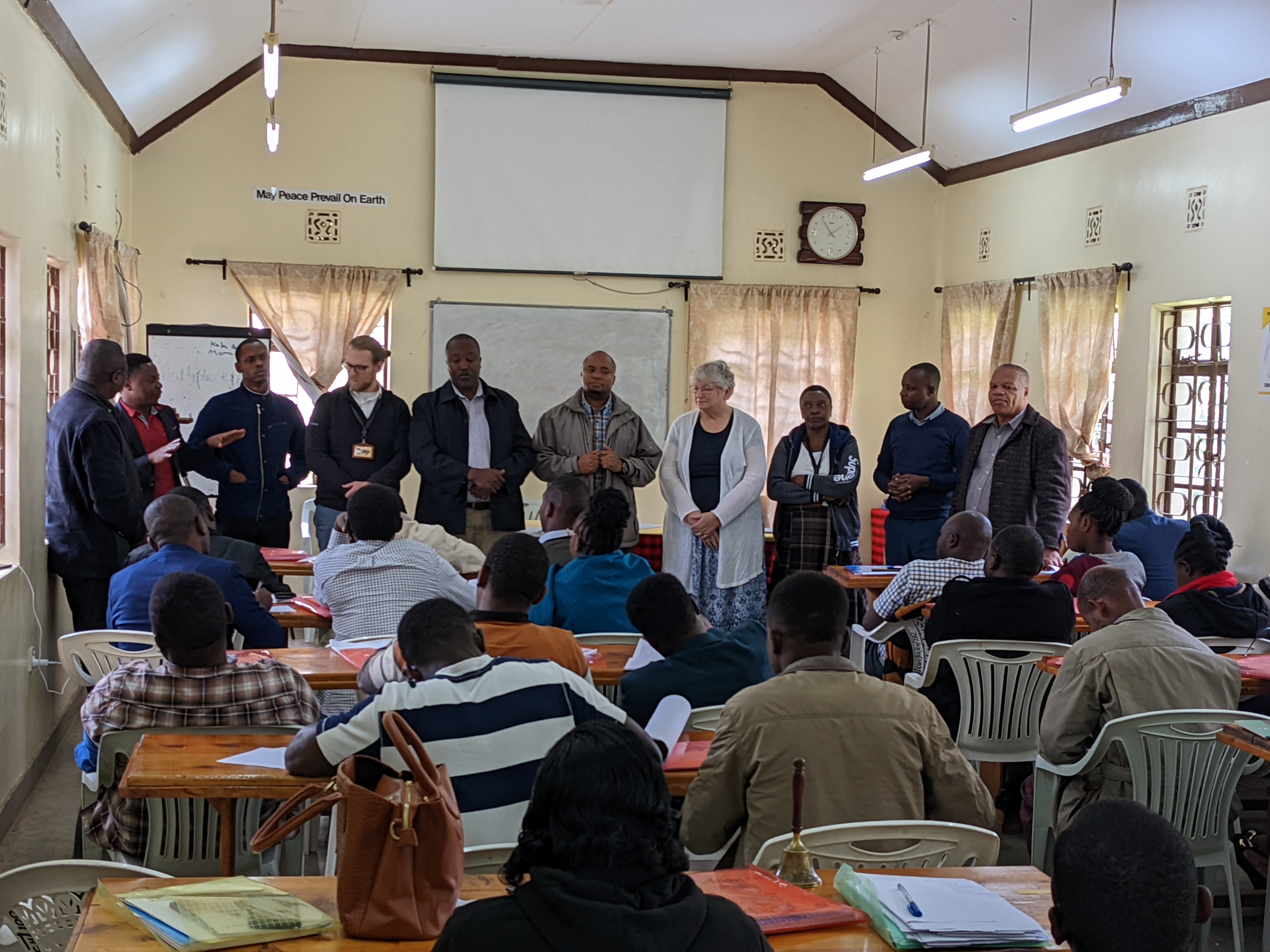
Once the mailing system changed, we changed our focus. We raised funds to help the Mwangaza management team conduct a week-long seminar for headmasters and mistresses to understand how and why the teachers were changing the way they taught. Without support from the administration, there was little chance for the teachers to make any real progress.
Oktoberbest
We also started hosting an Oktoberfest celebration to increase awareness and raise funds. We held it at St. John Lutheran Church for around 20 years. We lost count, but it was an annual event.
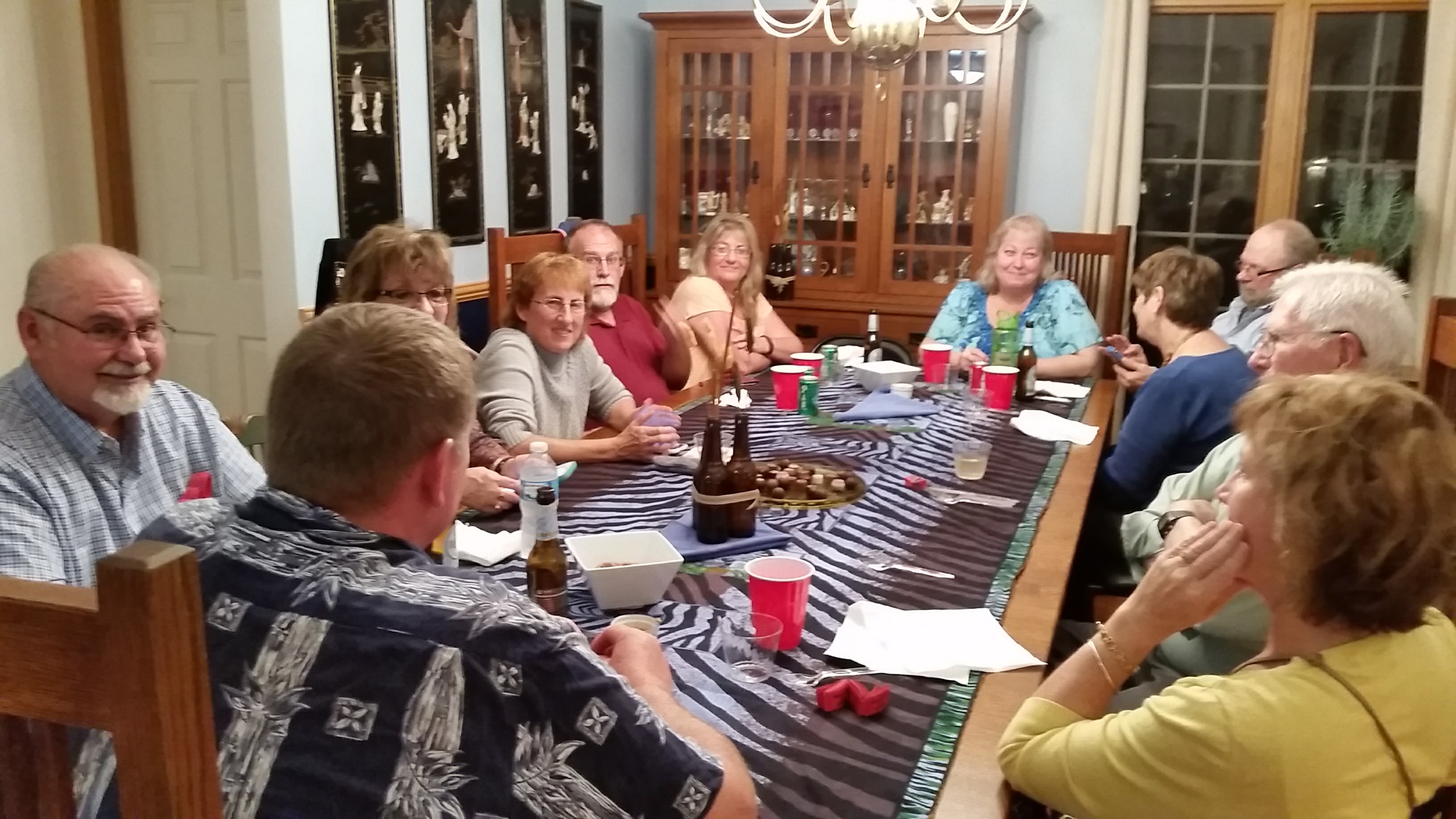
We sold tickets for the dinner, and we sold raffle tickets the night of the event. John was the main chef and set the menu. We had several friends who would take a day off work to help prep for the dinner. We borrowed tables and chairs, and we had about 50 to 60 people in our house.
John, being an executive pastry chef, would make extra desserts that we would raffle off at the end of the evening. During the Covid-19 pandemic, we did a non-Oktoberfest, and people just ordered desserts. John made the desserts, and they picked them up at the church door.
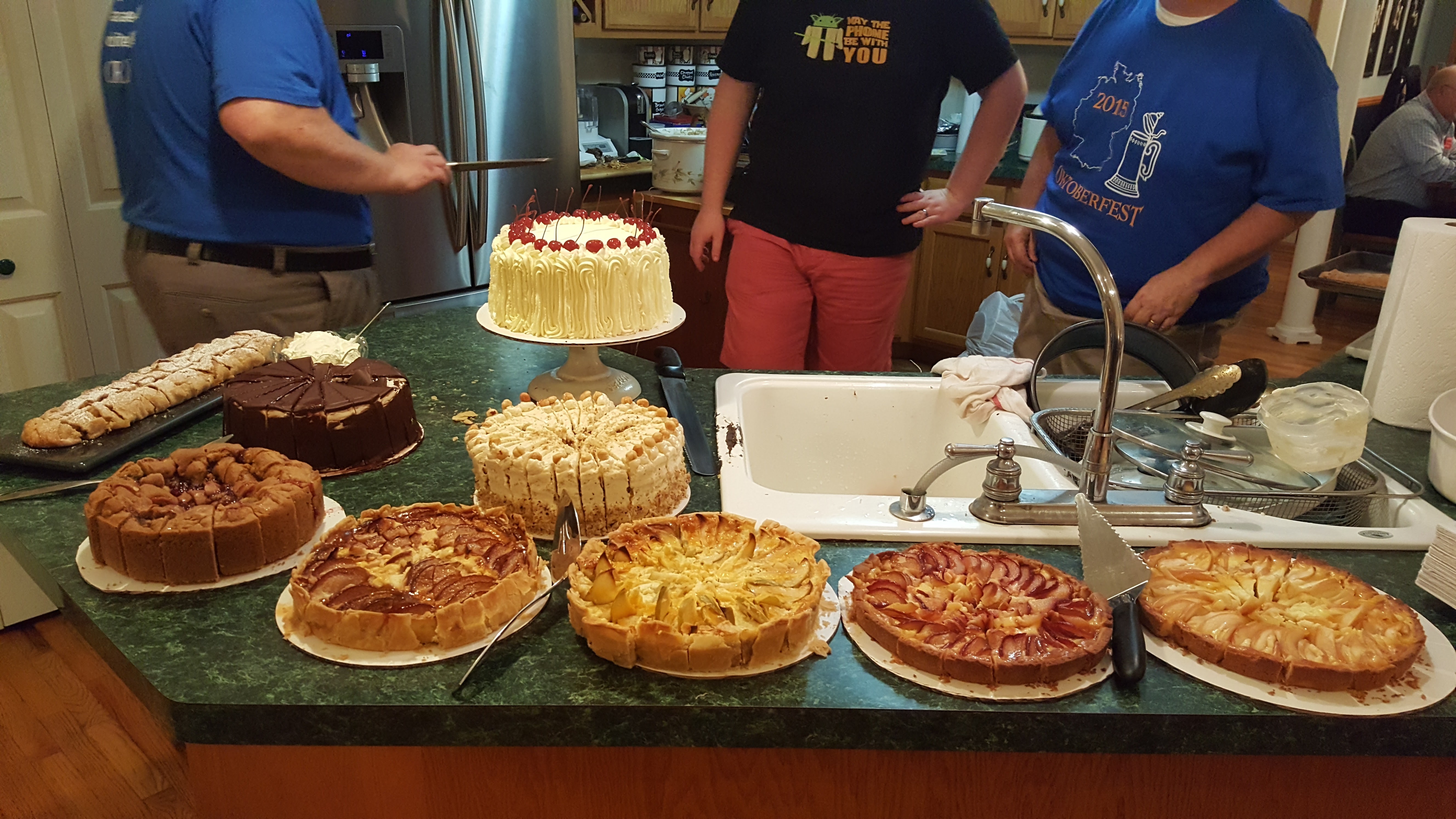
People keep coming back every year and ask about it ahead of time, so we know it has been a successful way to raise money. People love the dessert, raffle, and food.
Attendees would always ask about a dish they especially enjoyed and hoped it would be on the menu. After expenses, we raised between $2,000 and $3,500 each year.
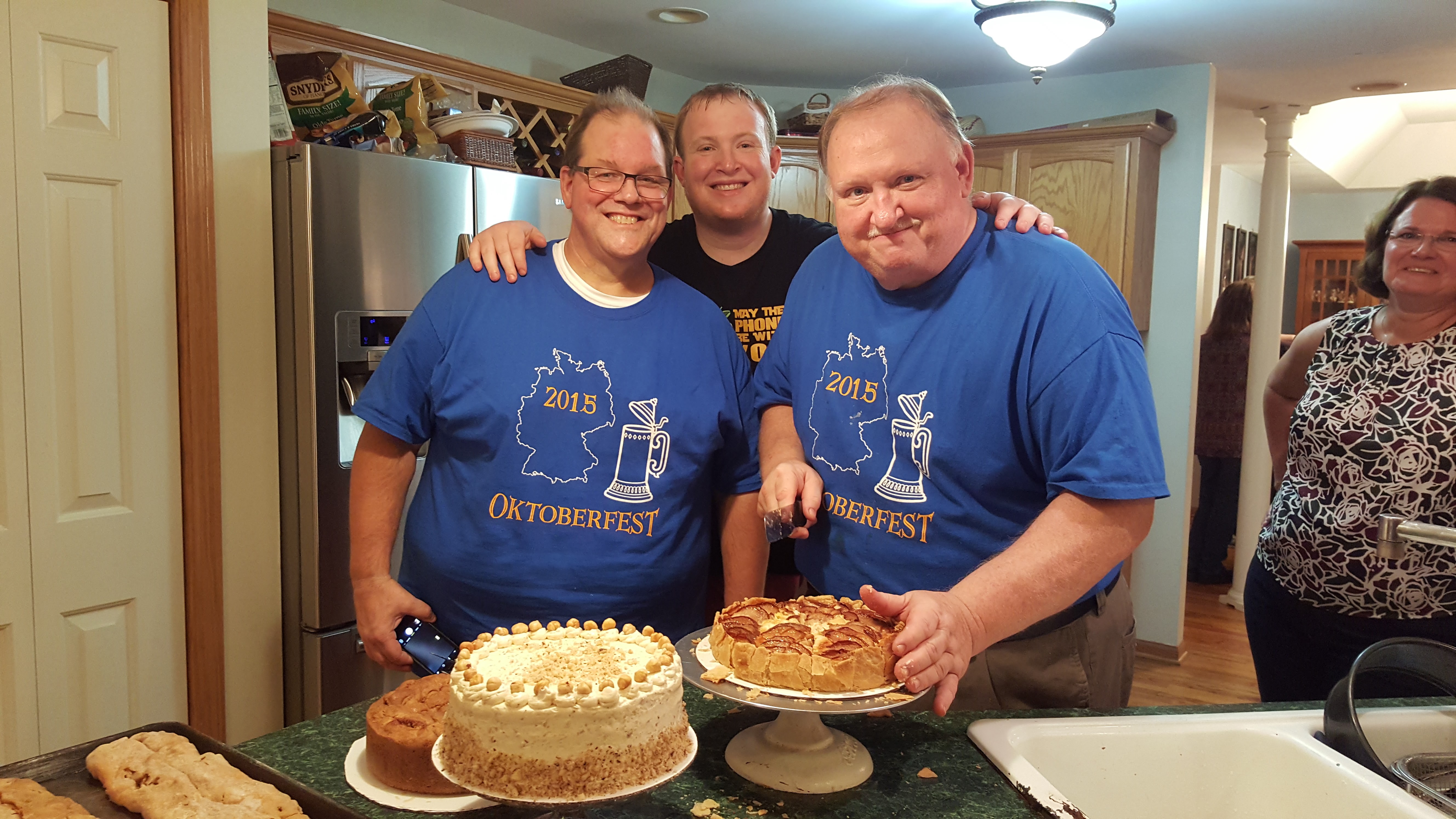
When we moved to Michigan and joined Gloria Dei Lutheran in Tecumseh, we asked if we could introduce Mwangaza to the congregation, and we hosted Oktoberfest for two additional years.
Now it is a church-wide potluck of German food and fellowship. It has been a great way to promote the work Mwangaza is doing. We also do a short presentation, and it's a fun night of fellowship for those who attend.
We host this event to raise awareness about Mwangaza's work, collect funds to support the work, and encourage fellowship. This fellowship has helped build a community within the congregation.
Advice and Final Thoughts
If you're interested in hosting an event to support an LPGM partner like Mwangaza, it doesn't have to be an Oktoberfest. It could be a chili cook-off, or you could choose another regional food everyone loves.
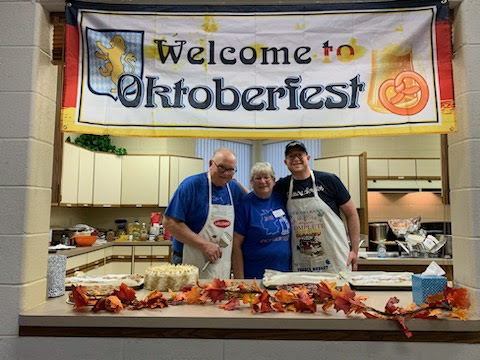
It isn't really about the food. It is about the awareness of this wonderful group of people doing God's work with their hands, and if 12 churches raised $1,000, the program would be much stronger. I believe in baby steps.
Keep at it. A fun night will be had, and Mwangaza will be the winner!
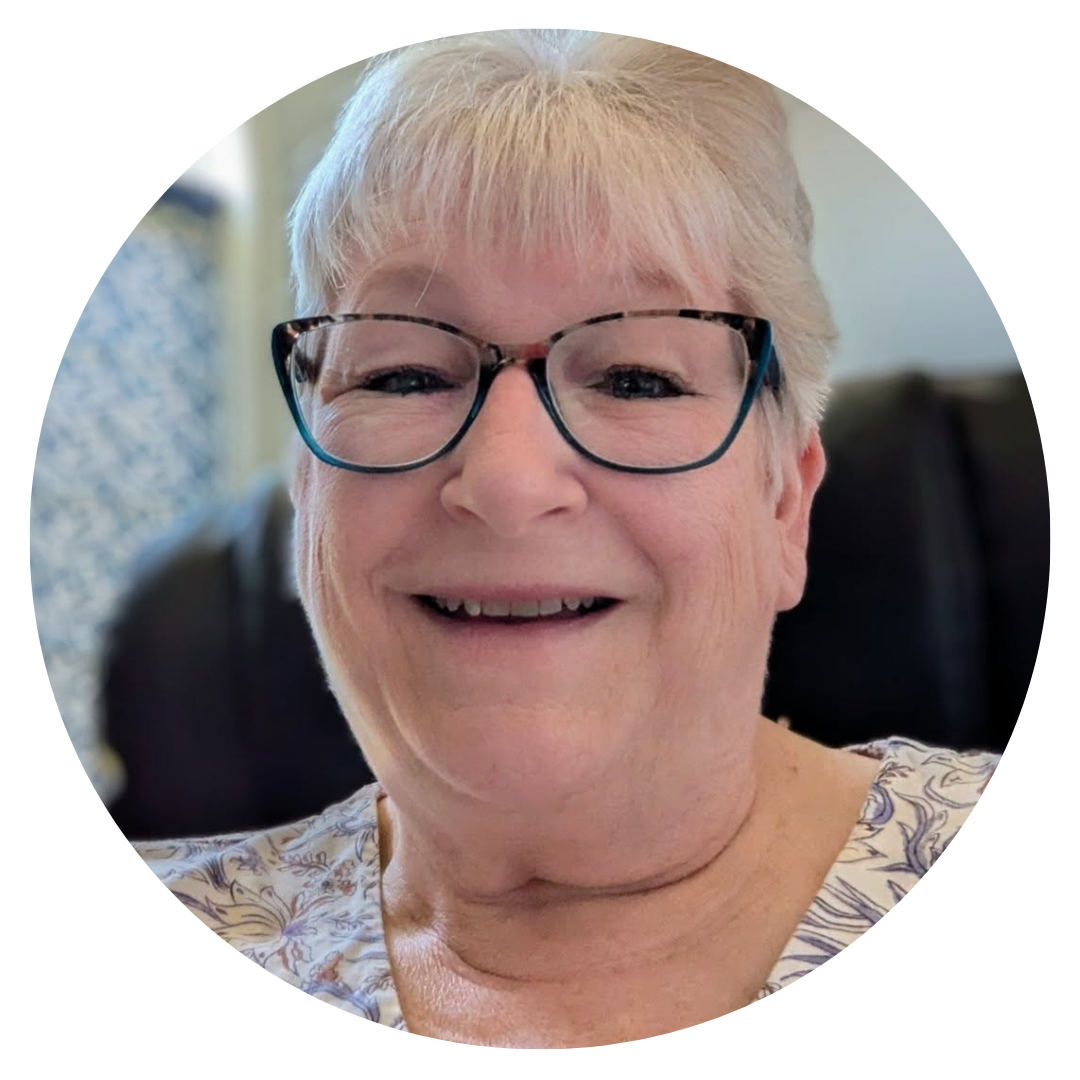
Debbie Kogelman is a retired middle school teacher, former Friends of Mwangaza board member, LPGM Development Committee member, and LPGM traveler. She lives with her husband John in Lansing, Michigan.