May 1, 2026
Hands that Nourish
A Day in the Life of a Boarding Home Cook
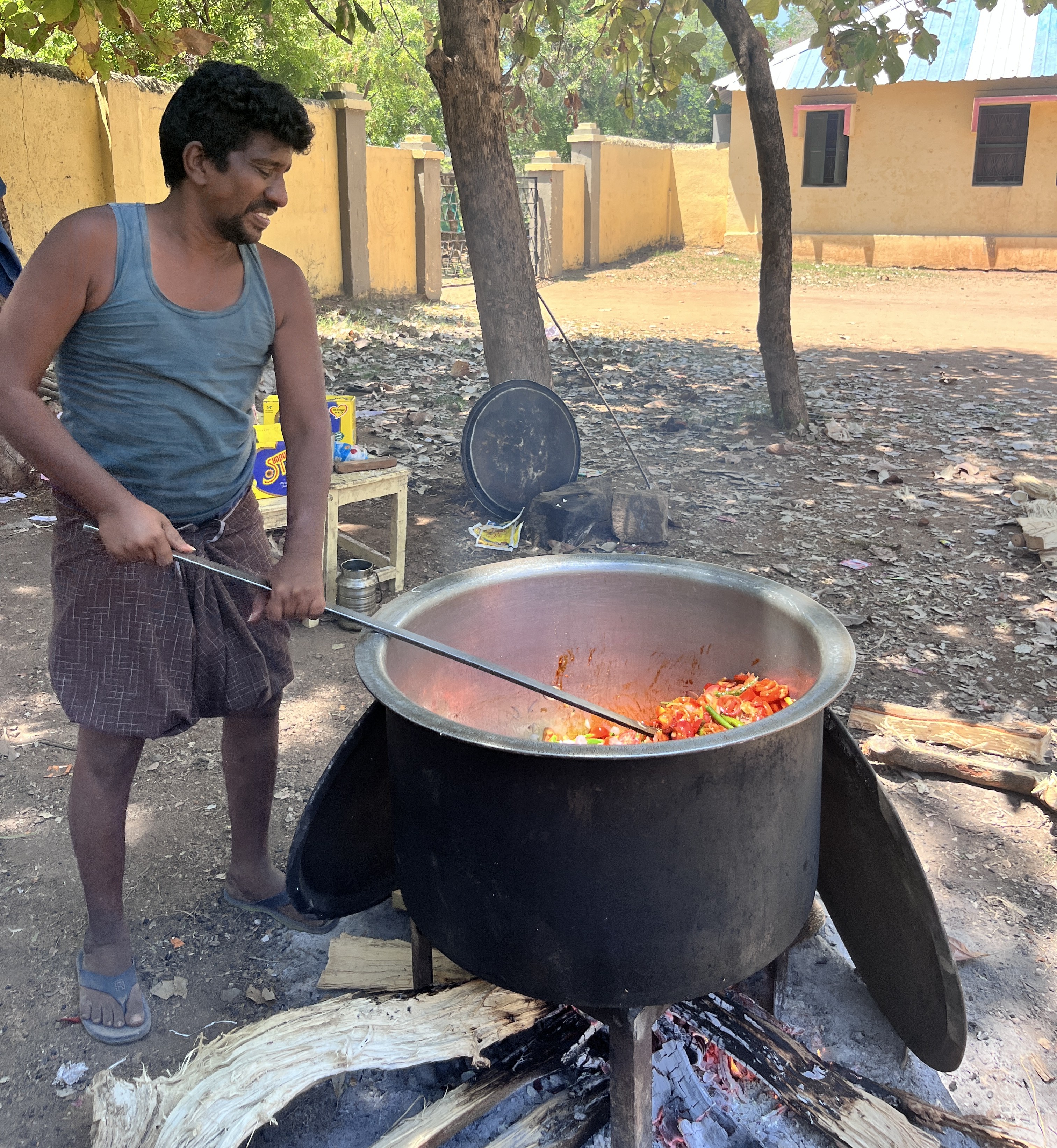
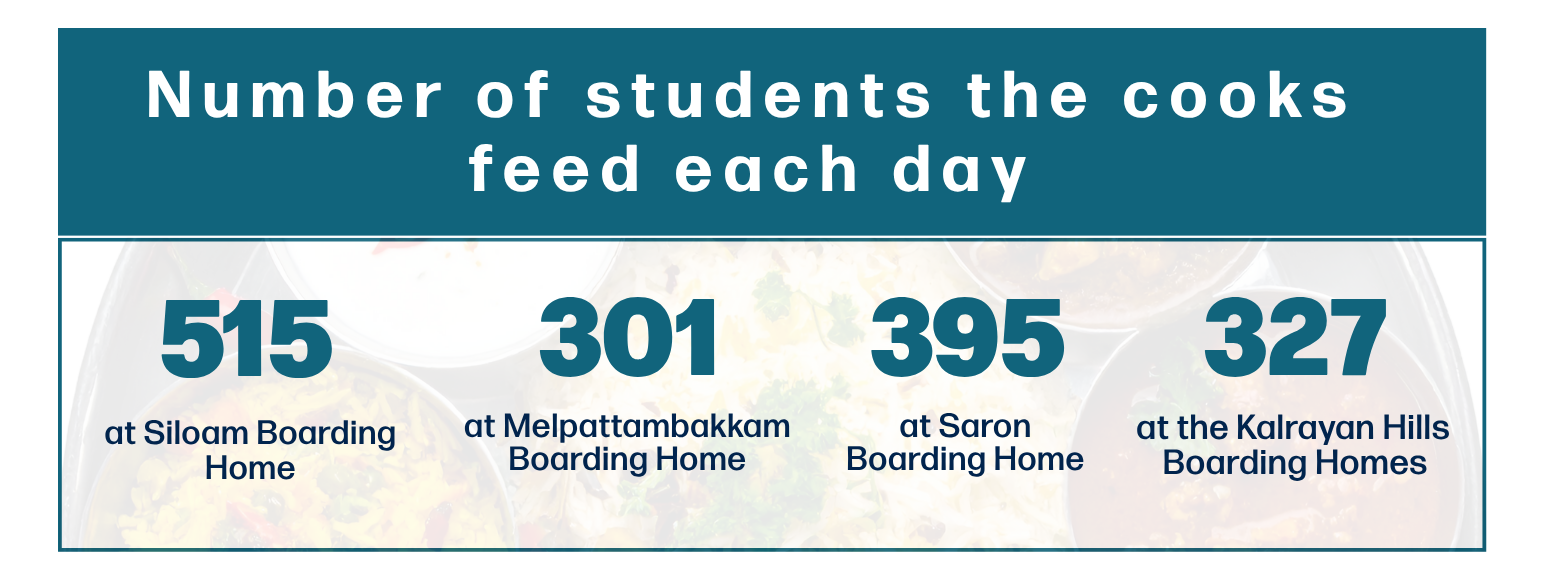
Imagine starting to cook breakfast over a blazing hot fire around sunrise for 300 children. You and two colleagues finish around 8 a.m., but the respite is short.
You start lunch preparations at 10 to ensure you finish by noon. The smoke burns your eyes and fills your lungs, but you push on, knowing that hundreds of hungry students are relying on your fresh, nutritious meals so they can learn and grow.
Dinner preparations start at 4 p.m. You cook 51 pounds of rice and 13 pounds of dal (split beans, peas, and lentils) for just one meal. After you finish at 8 p.m., you head home, drag yourself into bed, and then wake up the next day and do it again.
This is the grueling schedule of a typical boarding home cook at our partner's Lutheran boarding homes in Tamil Nadu, India.
Why Cooks Need Your Help
Cooks earn between 267-333 rupees (about $3-3.50) each day, while government employees and daily wage laborers can earn up to 1,000 (about $11) rupees each day. Our cooks choose to work for a lower wage because they are dedicated to the students they serve.
To improve their quality of life and service to the students, the boarding home cooks have asked LPGM for higher wages, updated kitchen facilities, smoke-free cooking systems, and improved cooking equipment. This request is above and beyond what LPGM sponsorship support can cover.
Thank you for supporting the unsung heroes who feed our boarding home students. Their calloused hands nourish students day in and day out.
God bless you for feeding our neighbors!
Invest in Our Cooks
Increase their wages, improve kitchen facilities, and provide better equipment
Meet Three Cooks
Kalrayan Hills
Unnamalai
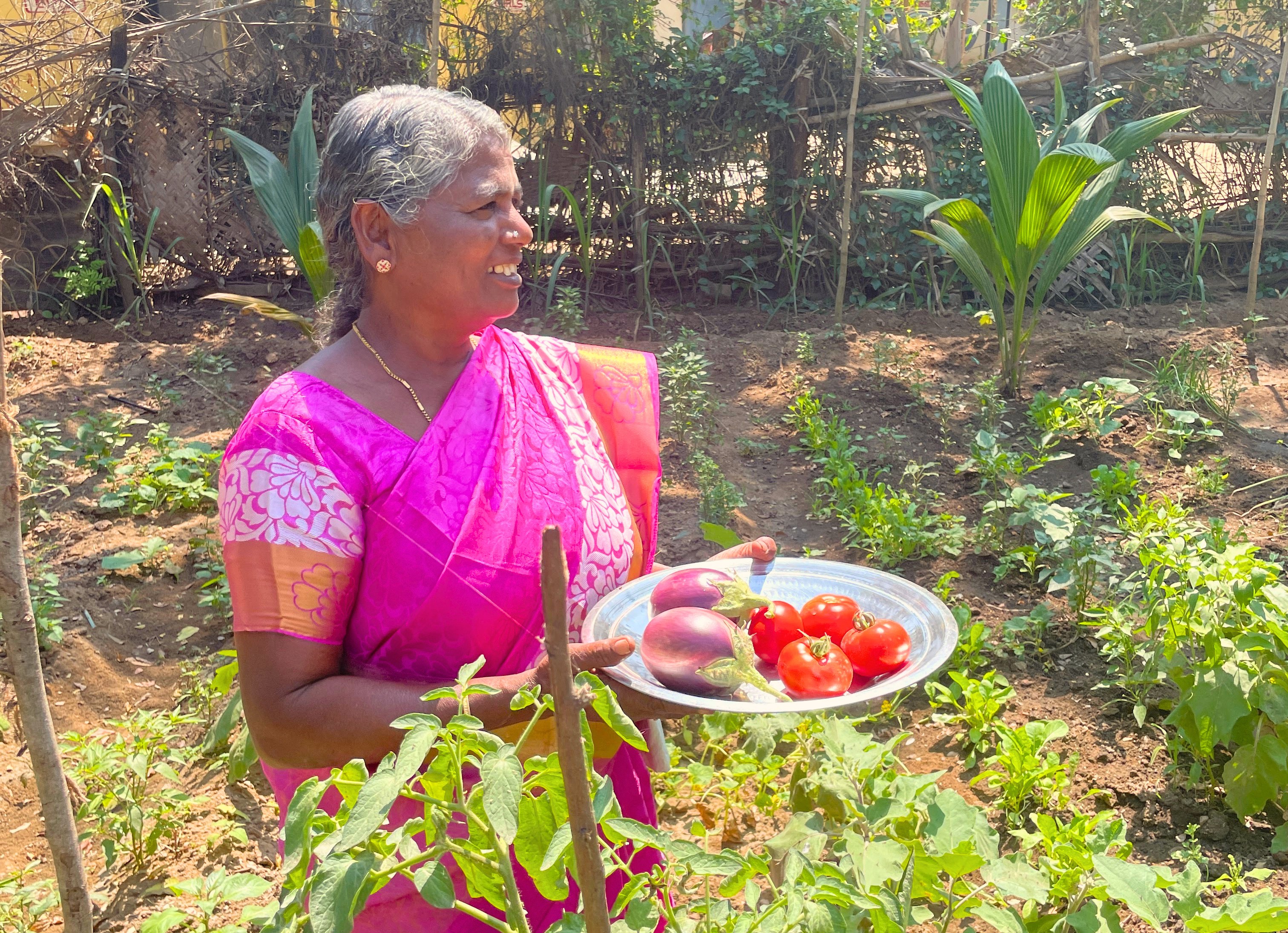
Unnamalai, a cook at our partner’s Lutheran boarding home in the Kalrayan Hills of Tamil Nadu, India, has done this critical work for 25 years.
She shares, “Working in smoke is difficult. My eyesight is also not very good.”
Yet, her determination comes from her love of the students, and she does this work happily. To her, this work is a service to them.
Melpattambakkam
Pazhaniammal
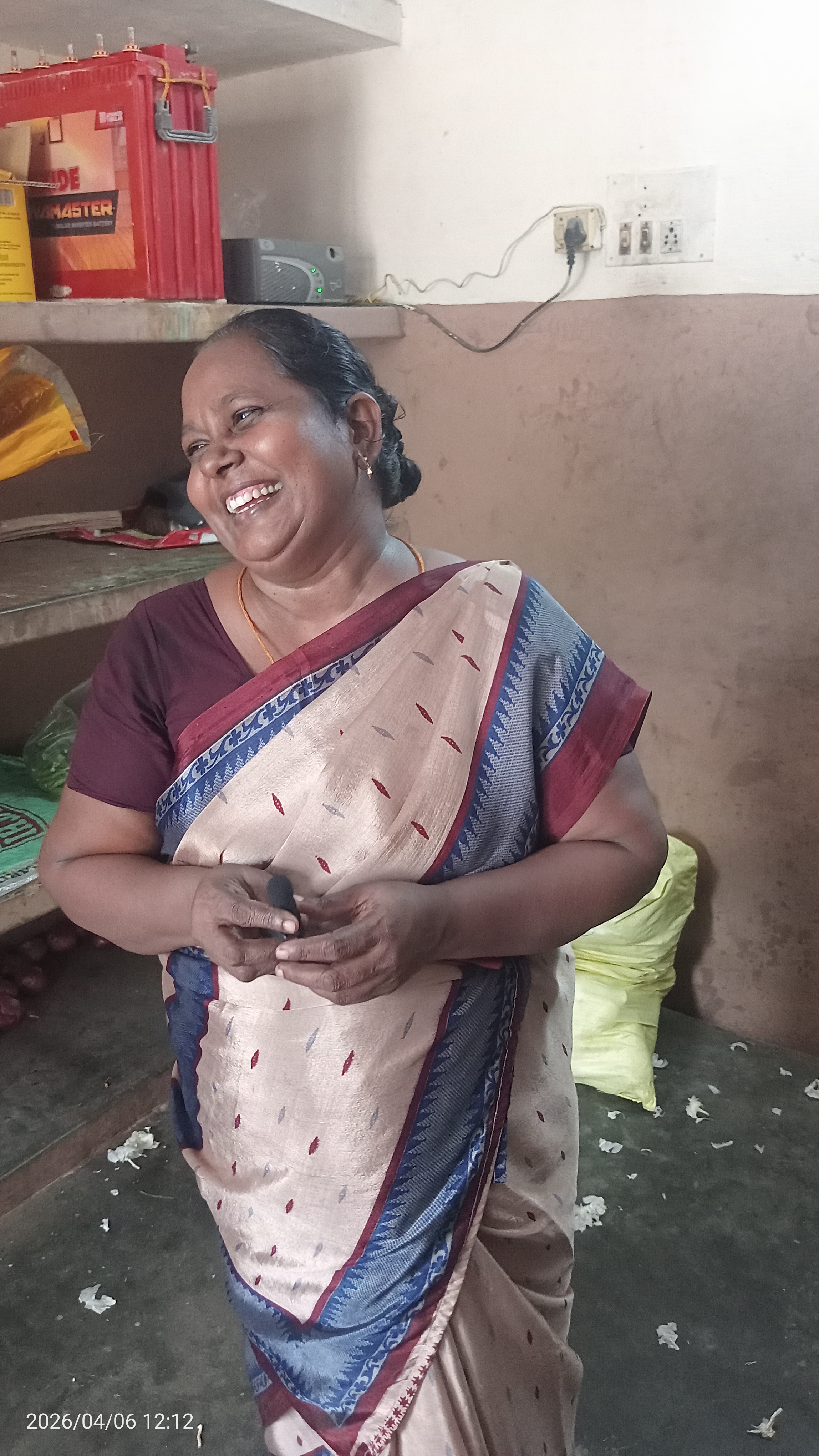
For Pazhaniammal, head cook at Melpattambakkam Boarding Home for 28 years, her work is a lifeline.
She shares, “This place is also shelter for us because we also don’t have proper family. We are single parents. Our husbands don’t take care of us. We must take care of our children.”
Kalrayan Hills
Sugashini
After graduating from Kariyalur in 2001, she returned to this boarding home as a cook two years ago.
“My husband does not go to work regularly and does not provide money,” she shares. “I have two children. So, I work hard and cook here to support my family.”
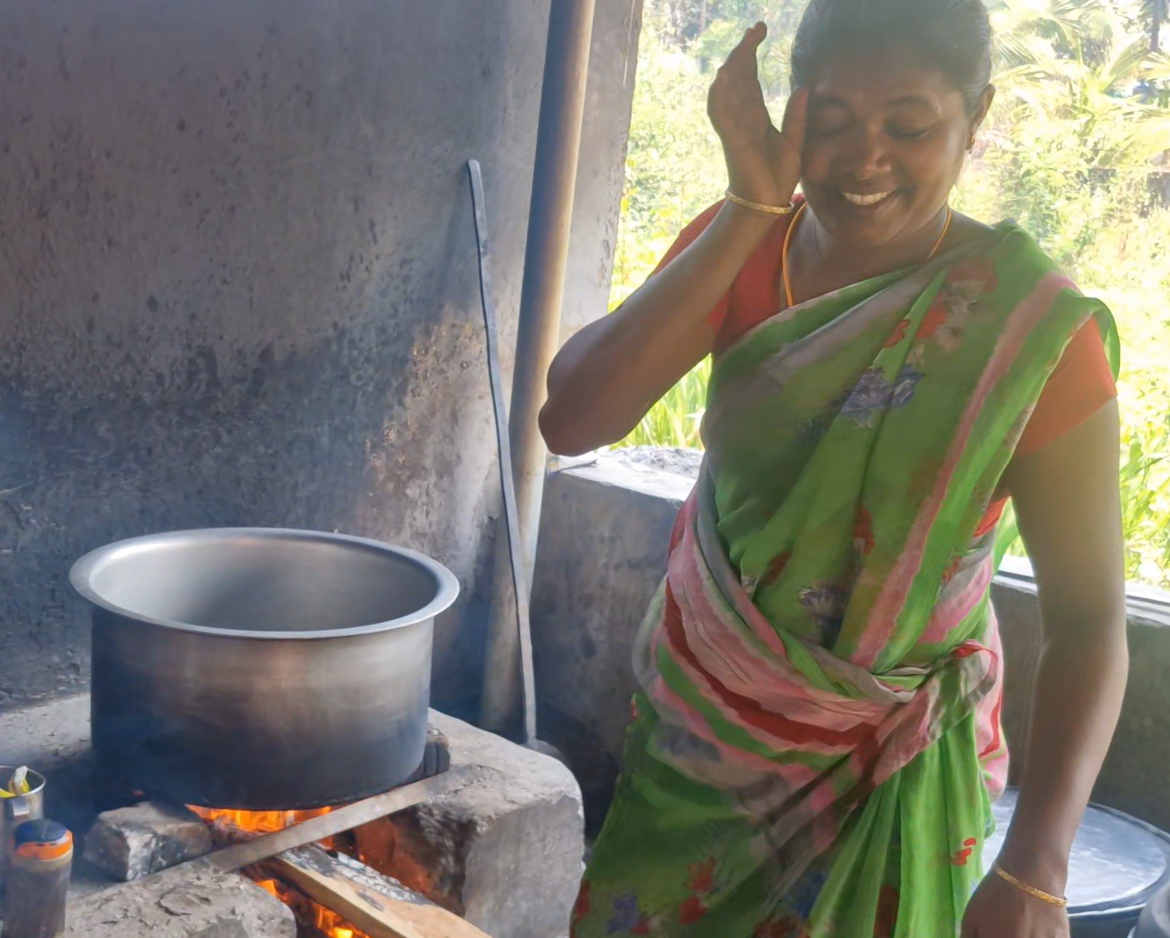
Pictured above: Sugashini wipes her eyes that have been irritated by hours cooking over an open wood fire.
“We don’t just behave like cooks with the children. We interact like friends, talking and laughing while cooking. That gives us peace.
-Sugashini, Cook in the Kalrayan Hills
Support Our Cooks
Increase their wages, improve facilities, and provide better equipment
A Student's Perspective
Meet Kamalesh
Students feel the love and care radiating from the cooks, and they appreciate the quality of the food they prepare.
Kamalesh, a 15-year-old sponsored student, says, “I spend time in the kitchen because the cooks are very kind and prepare food with care. I also like to help them whenever possible, as I want to contribute in a small way to preparing meals for the children.”
He continues, “At home, food is usually prepared early in the morning [before my parents head to work] and eaten throughout the day. In the boarding home, however, meals are freshly prepared each time and served hot.”
Boarding home cooks make a true impact on the lives of students each day, despite the work being exhausting and their salaries meager.
Students in Guatemala and Tanzania also rely on you for nourishment.
Keep reading to learn more
Nourish Students Now
Guatemala
Cooking Stove Project Promotes Healthier Alternative to Wood Fires
Community Cloud Forest Conservation (CCFC), our partner nestled in the central highlands of Guatemala, was co-founded in 2008 by Tara and Rob Cahill. CCFC works with Q’Eqchi’ Maya people from mountain villages in the remote Central Highlands of Guatemala. They alleviate poverty and decrease deforestation through education, especially of young women and girls.
While CCFC’s work is focused on agroecology and keeping girls in school, public health has become an auxiliary focus, especially with the help of Tara’s cousin, Dr. Tricia Hall, DO. Hall has been a longtime LPGM supporter and board member.
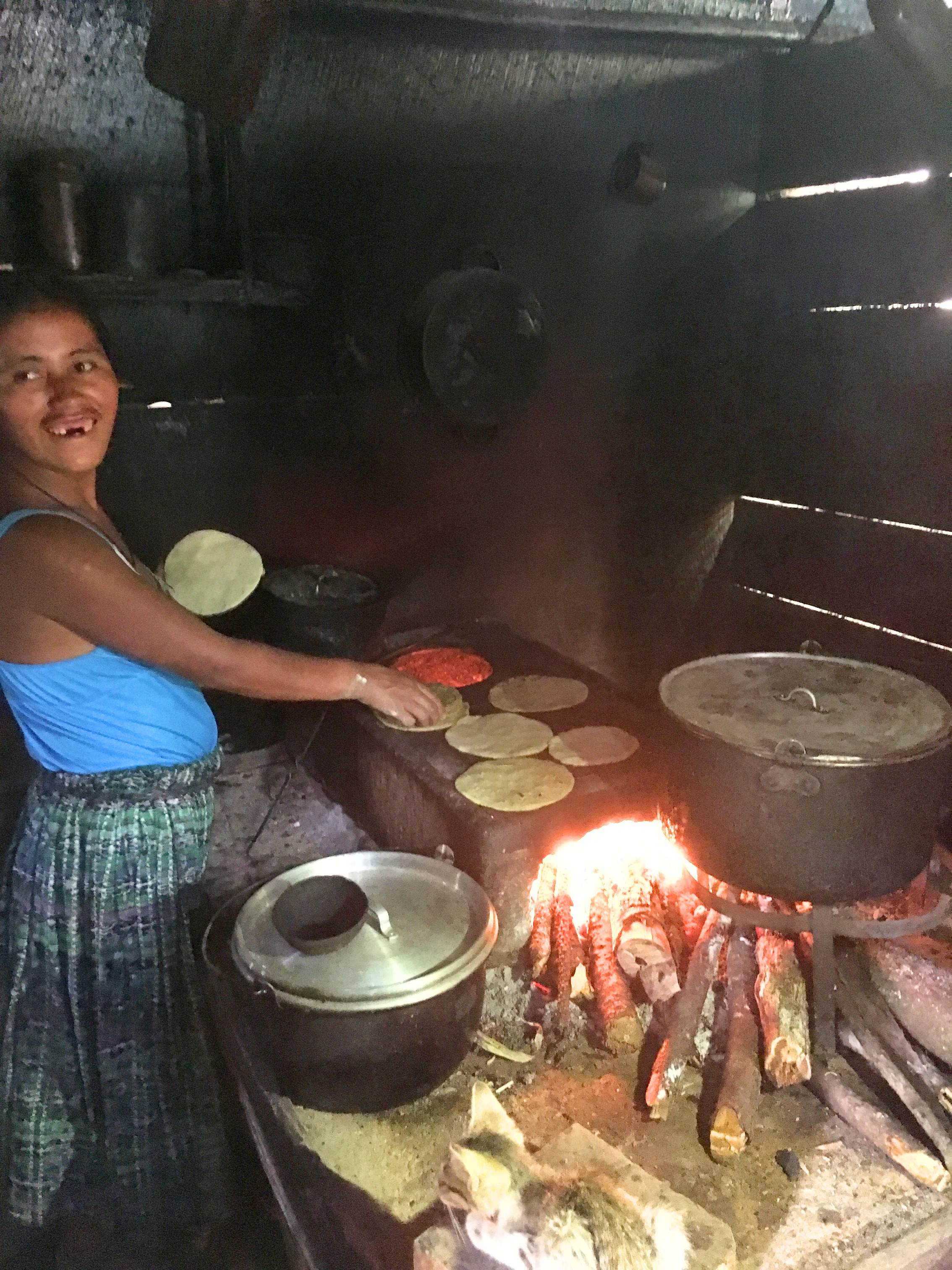
The Issue with Traditional Wood Stoves
Pneumonia is the leading cause of mortality in Guatemala, and a key factor in acquiring pneumonia is the smoke generated by indoor cooking stoves that don't have chimneys.
The country also has one of the highest rates of child mortality in Central America. Children often spend time with their mothers in the kitchen and breathe in the smoke, increasing their risk of respiratory issues.
According to Hall, using traditional, chimneyless stoves doubles the risk of pneumonia in kids and nearly doubles the risk of chronic obstructive pulmonary disease (COPD) for adults.
In 2017, CCFC surveyed local Q’Eqchi’ Maya communities in the region to get a better sense of the issue. They found that 99% of those surveyed did not have stoves with a chimney to release smoke.
Finding a Healthier Alternative
Finding these traditional stoves to be a public health issue, CCFC launched a sustainable stove project. Their goal was to promote an alternative stove model that met the unique needs of the community but offered better health outcomes.
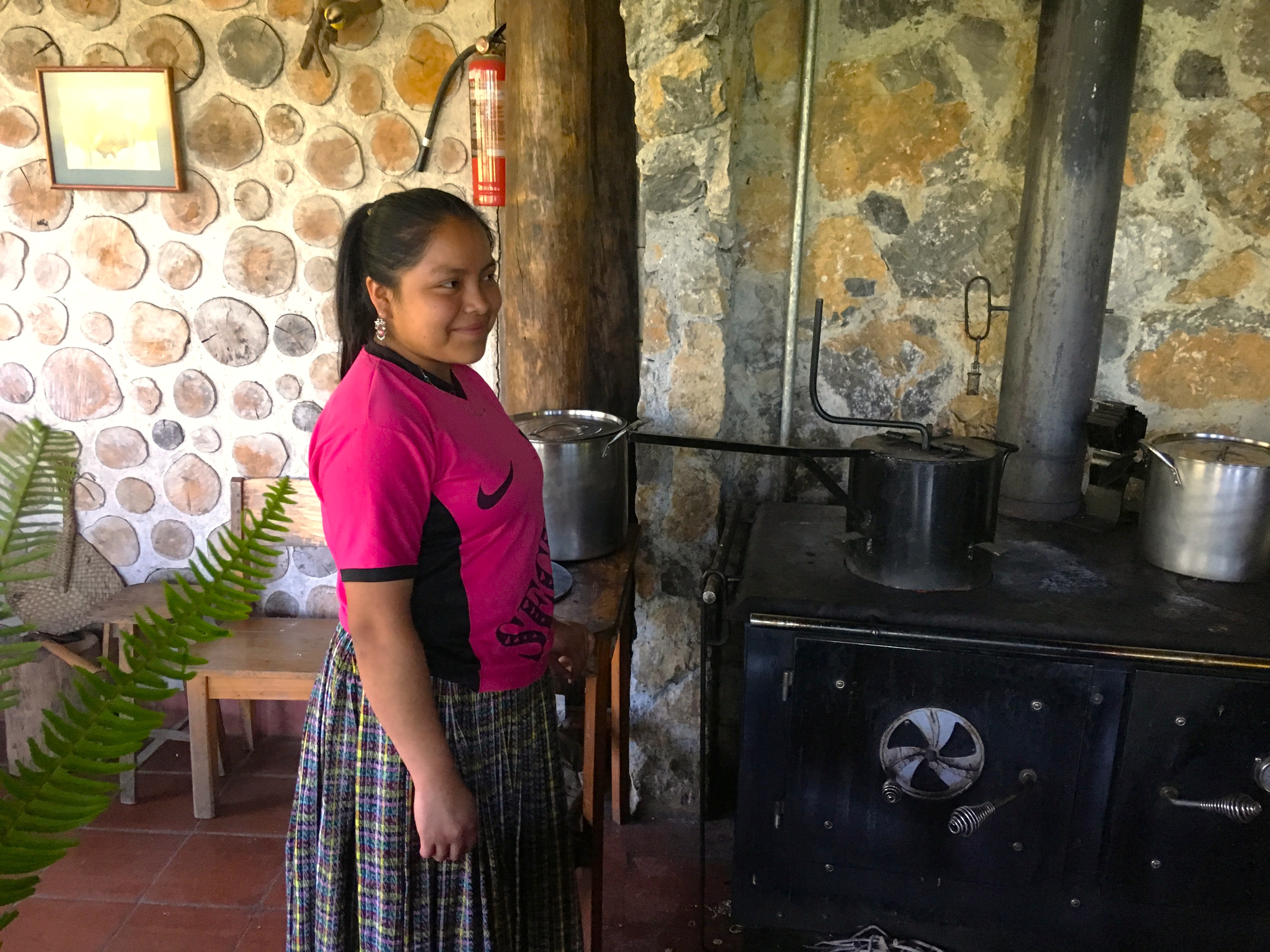
The first step was to find the right type of alternative stove. They needed a stove that was big enough, hot enough, and portable. They chose a stove that used less firewood, had a smaller box, kept the fire hot and contained, and had a chimney attached in the back, allowing smoke to be released. Using less firewood would also save families time and conserve natural resources.
While other organizations had attempted to address the issue, they were often “one and done” projects with little follow-up. The organizations would provide stoves and then leave the region, causing families to abandon their new stoves whenever they needed repair or a replacement part.
Other well-meaning organizations installed permanent stoves with cement bases. Q’Eqchi’ Maya communities are relatively transient, since they are reliant on the land and need to move when they exhaust available resources. When families moved, they had to leave these permanent stoves behind.
Making the Solution Accessible
Once the stove model was selected, the next step was to get people excited about the new stoves. Hall's team began with CCFC student employees who had already been using the stoves on CCFC’s campus and liked them, so it was an easy sell. Student employees quickly started taking the team up on their offer.
Interested employees can have part of their salary withheld and set aside for the stove purchase. The full cost of a stove is about $200, but once they set aside 75% of the stove’s cost, CCFC pays the remaining 25%, place the order, arrange delivery, set the stove up, and show how to fix it if needed.
This process empowered student employees and helped them feel invested in the outcome, while also offering support.
Success Story
Silvia is one of the young women who received an incentive from a CCFC supporter, saved towards the stove, and eventually purchased one through CCFC.
Her relationship with CCFC began as a student participant in its Women in Agroecology Leadership for Conservation (WALC) program, and she eventually became a long-time staff member.
Once Silvia purchased the stove, she brought it home as a Christmas gift for her parents. The CCFC team visited her village, met her family, and saw them use their new stove.
After seeing the stove in action, Silvia’s mother’s neighbor expressed interest in a stove. This is exactly how the project gained momentum. It began to spread organically through word of mouth.
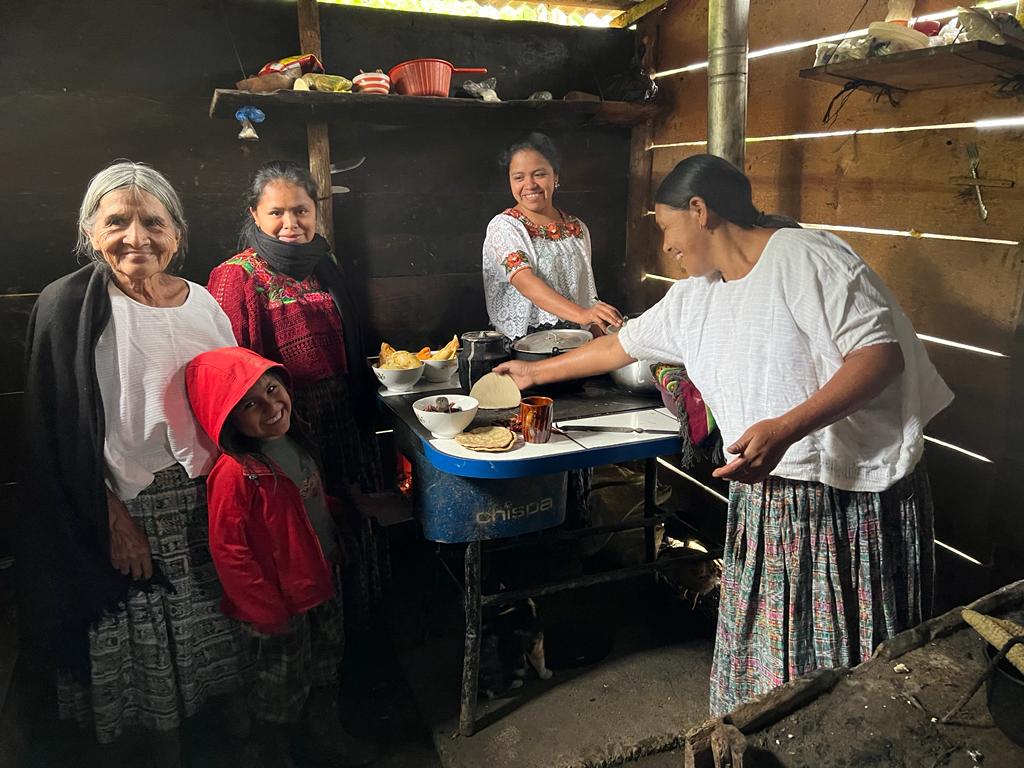
Pictured above: Laura (back right) and Angelica (back left) are two former WALC students who became teachers & staff members at CCFC. They stand proudly by the stove they saved up for and brought home to their mother, grandmother, and little sister. There are three generations of tortilla makers in this photo.
Initial Impact
CCFC staff repeated their survey seven years later in 2024. The percentage of families using traditional, chimneyless stoves decreased from 99% to 77%. While this decrease is likely due to a combination of factors, the stove project certainly contributed to this positive shift.
CCFC's stove project is helping communities invest in safer, healthier, and more sustainable cooking solutions.
Video above: The WALC team observes a stove installation. The open fire stove on the left produces large clouds of smoke, while the new stove with a chimney on the right produces almost no smoke. While the two stoves are in the same room, the difference in smoke creates the illusion of them being in two separate rooms.
More about WALC:
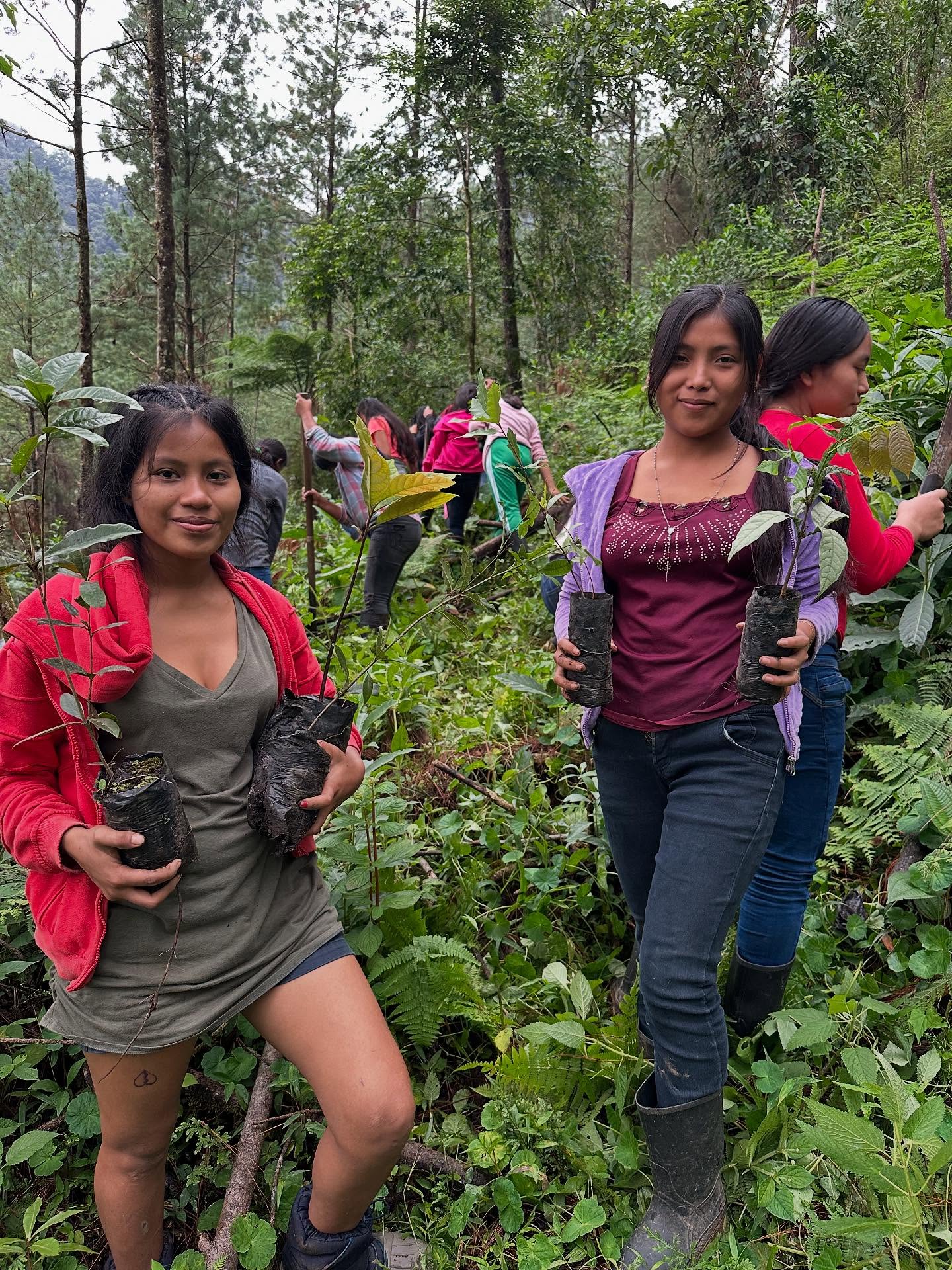
Friends of LPGM support CCFC’s WALC program. WALC is a holistic leadership training program for girls and young women ages 12-28 that combats early school drop-out and promotes sustainable agricultural practices. Participants attend a WALC session every year where they learn about agroecology (agriculture + ecology), nutrition, cooking, health and hygiene, family planning, and more!
After completing the session, establishing a small agroforest parcel on their family’s land, and providing proof of consistent school attendance, they are eligible for a scholarship - funded in part by LPGM supporters like you!
Invest in students in Guatemala & beyond
Tanzania
Food Preparation Leads to Recovery and Long-term Stability
As told by Esuvat Lucumay, Founder of Eripoto for Girls & Women in Arusha, Tanzania
"Many of the girls [at our safe house] came from an environment where people cook in small houses. The houses are used for cooking and sleeping and are sometimes shared with livestock. When they arrive here in our safe house, we work to create a different reality by creating a space that protects their health and restores dignity.
We have a cook named Sinyati. Daily challenges include constant smoke from burning wood and having to lift heaving cooking equipment. Despite a previous hand injury when she was very young, Sinvati continues with consistency and commitment, because she loves to support the girls. She is a survivor as well.
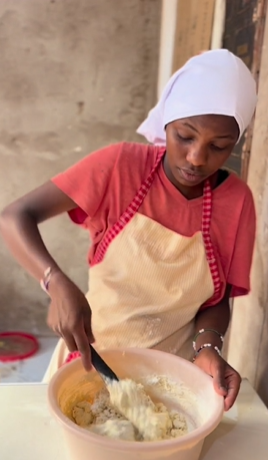
Each day, one of the women we support works with Sinyati to prepare meals for the entire household. The girls take part in a rotating system that we’ve set. They assist, learn, and build responsibility.
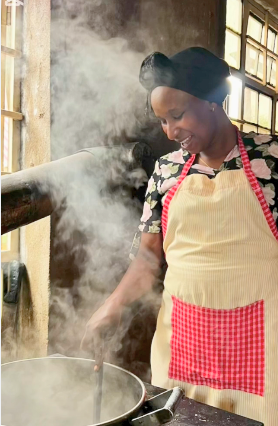
However, the conditions remain challenging. Smoke exposure affects the cook, the girls, and sometimes the children in the safehouse. This includes those who have already arrived at the safe house with respiratory conditions from exposure to smoke in their previous homes.
This is where targeted support can make a measurable difference. Cleaner cooking solutions would reduce the health risks for everybody here. Appropriate cooking equipment would improve safety and efficiency. Access to baking tools would open pathways to practical income-generating activities.
At Eripoto, food preparation is linked to recovery and long-term stability. We invite you to help strengthen this foundation by supporting safer cooking conditions, fair wages for staff, and skill-building activities.
Improving this space will improve everything connected to it. Thank you very much, and may God bless you."
Watch cooking scenes from EripotoPromote Health & Trauma Recovery in Tanzania & beyond