Jun 16, 2026
Women's Literacy Program Update #5: Literacy Program Expands to Five Learning Centers
March-April 2026
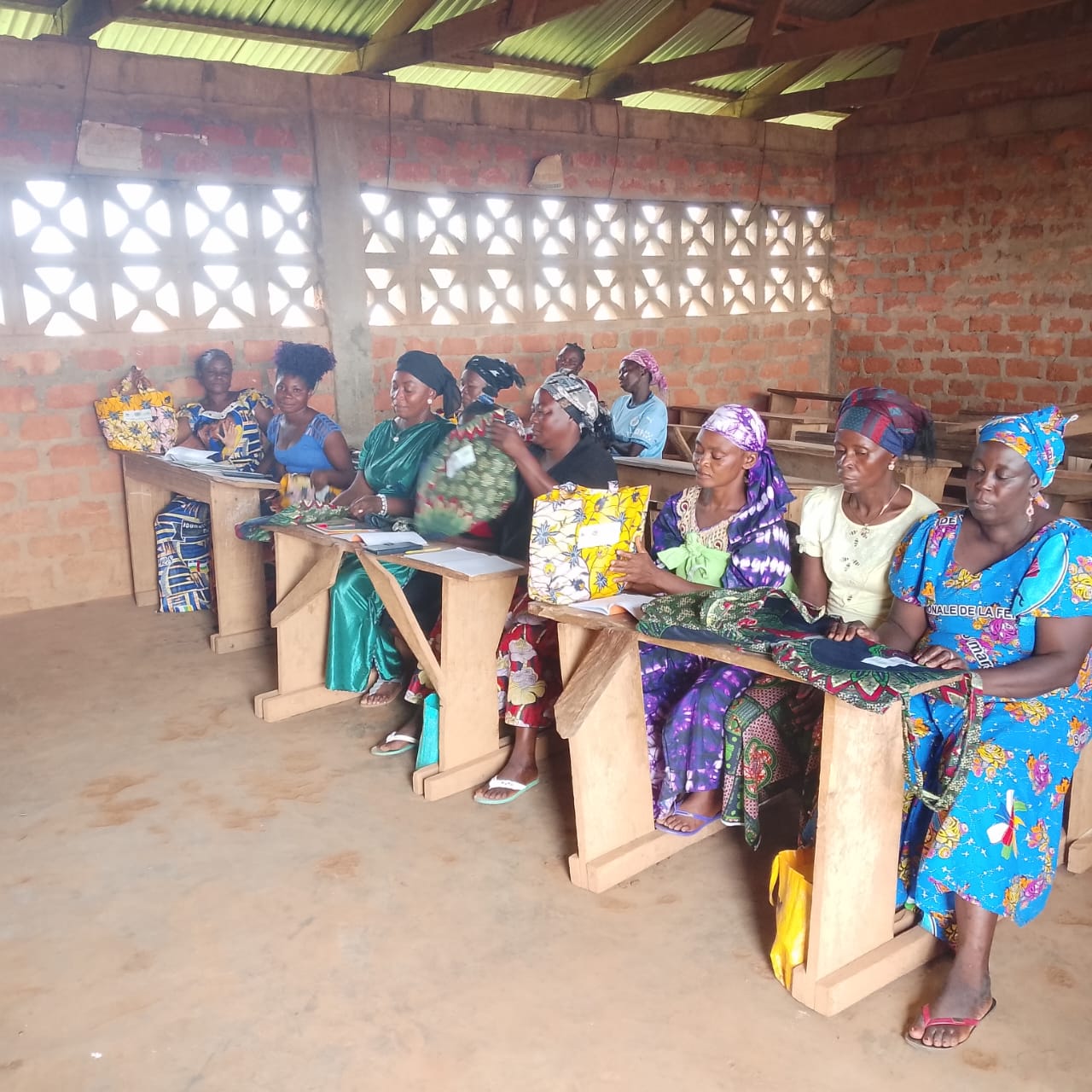
Since beginning the literacy program in 2024, our partner has tried to organize two sessions per year, but timing is dependent on available resources and local factors. The third session of the program began in early March with student recruitment, instructor training, and supply preparation.
The instructors recruited students for the existing centers, as well as for two new literacy centers in Baboua. One of the two new literacy centers is located at a theological school, so the instructors recruited the wives of male theological students, as well as other women and girls in the area who expressed interest.
Empowering instructors is as important as empowering new student learners, as four of the five instructors of the current session are women.
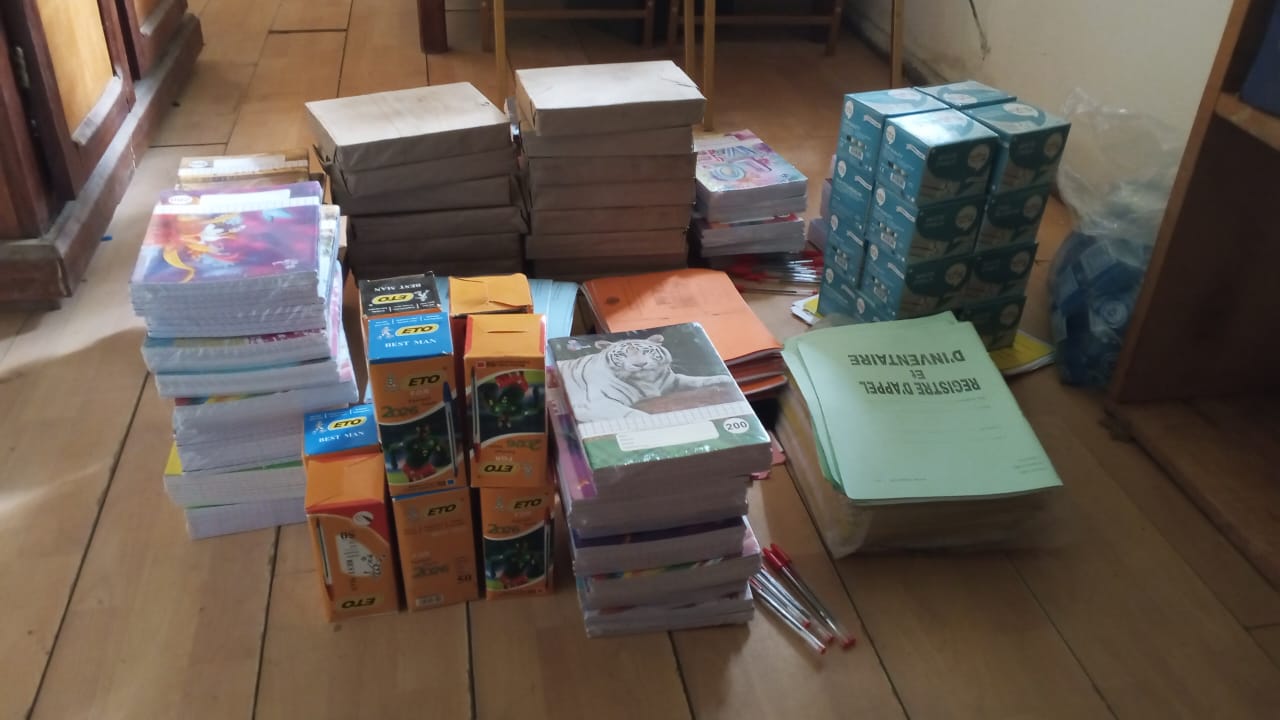
After recruiting new students, the instructors printed reading and math manuals written in Sango, the official national language of CAR. They also purchased classroom supplies like notebooks, small chalkboards, chalk, pens, and pencils. Finally, participated in a five-day refresher training course.
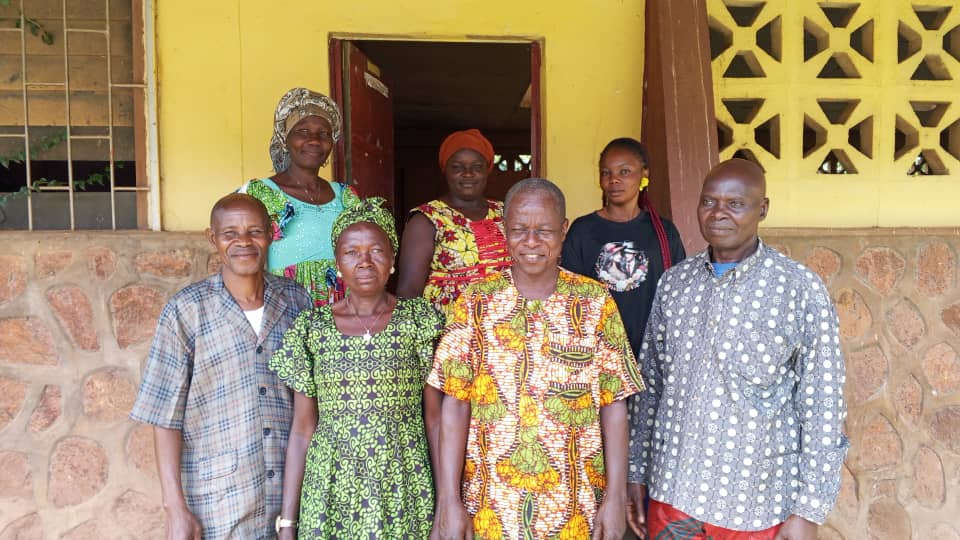
After a full month of preparation, classes began at all five literacy centers in early April and will continue for the next six months. The two new centers started classes with fewer students, but numbers increased after about two weeks. As of June, there are 143 women and girls registered across the five centers.
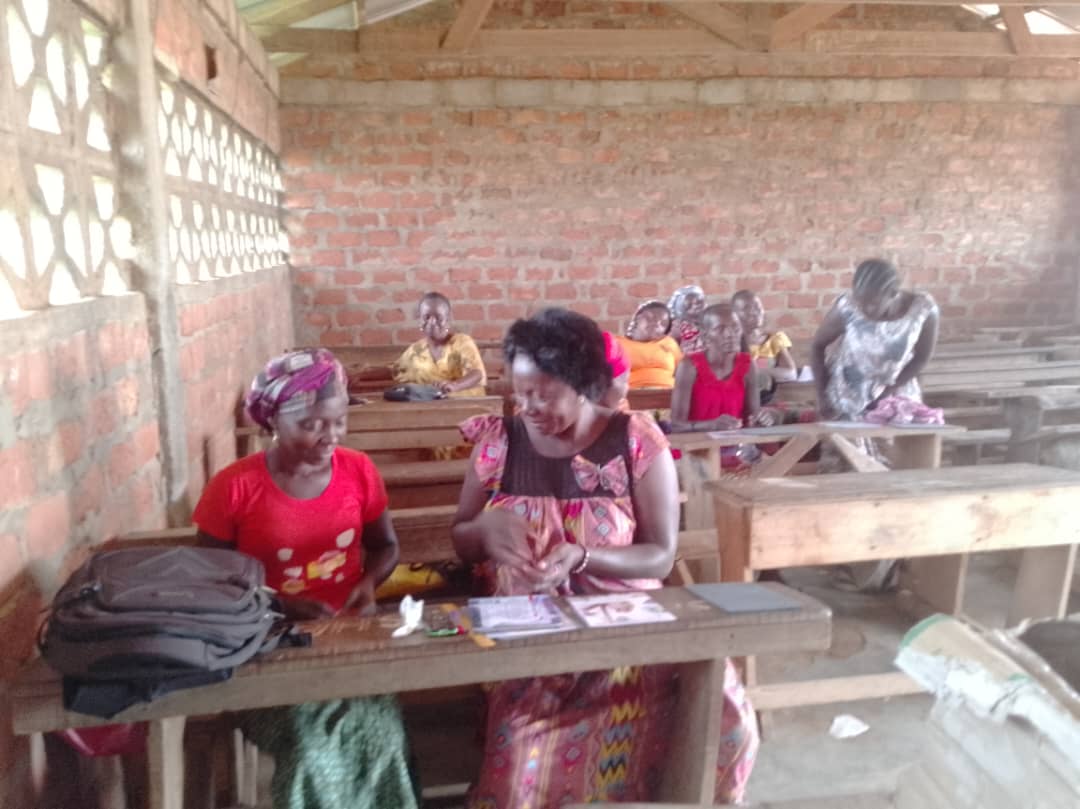
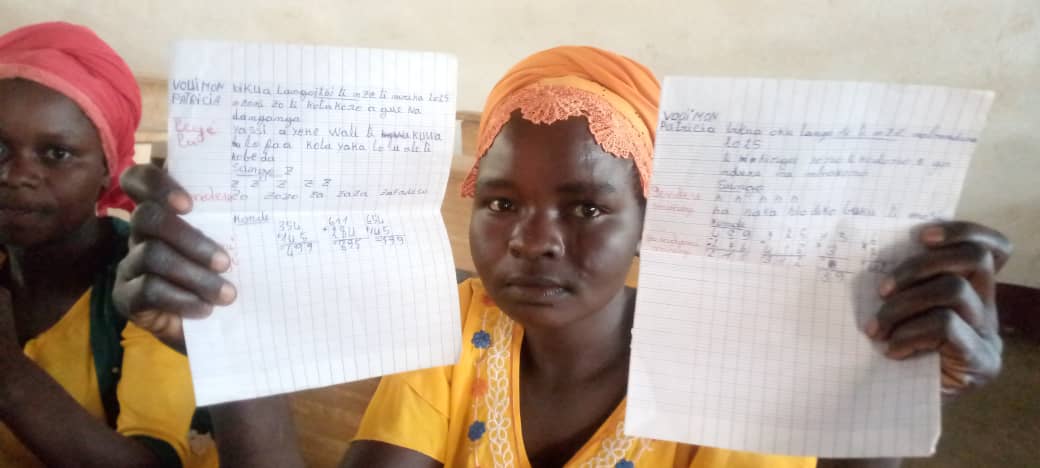
Students attending classes at one of the three original centers are learning at level two, which is for learners who have spent two years in the program and are able to read and write at a basic level.
Students attending classes at one of the two new centers are starting at level one, which caters to beginners. Instructors measure students’ progress at all centers through a midterm and final exam during each six-month session.
The program’s curriculum has 11 lessons, and some centers are currently on lesson eight, while others have made great progress and are already on the eleventh lesson.
Challenges
Some students from earlier sessions have left the program for a variety of reasons. The most common reasons are:
- Their husbands prevent them from continuing to participate.
- They need to devote their time to income-generating work to support their families (e.g., small businesses or mining work).
- They are frustrated that the literacy program doesn’t have an income-generating component (e.g., sewing or soap-making).
Program progress also sometimes stalls due to pregnancy-related illnesses, extreme weather during the rainy season, and labor needs during the March farming season.
However, instructors continue to recruit and motivate women and girls to join the program, and they also work to convince men to let their wives participate. They explain to these husbands that their wives’ new skills will help them better provide for their families, both in and out of the home.
Successes
Many students are now able to read the Bible and sing along with the hymn books. They are also starting to share their newfound knowledge and skills with other women in their congregations. Some students have even requested Bibles and hymn books to lead worship and preach the gospel in their communities.
Several students who previously didn’t recognize numbers, or know how to count, are now making phone calls by dialing numbers.
Students have shared that the literacy program has positively impacted their lives and has been transforming their long-held dreams into reality.
Support this ProgramRead more about the program